The Future of Entertainment Technology: Shaping Smart & Immersive Experiences

silver iMac with keyboard and trackpad inside room

The Evolving Landscape of Entertainment Technology The entertainment technology sector is undergoing a significant transformation, characterized by rapid advancements that are reshaping how content is created, distributed, and consumed. Key trends have emerged in recent years, driven by innovations such as virtual reality (VR), augmented reality (AR), and artificial intelligence (AI). These technologies are not … Read more

The Future of Aerospace Technology: Innovations Transforming the Industry

a blue fighter jet sitting on top of an airport runway

Introduction to Aerospace Technology Aerospace technology encompasses a wide range of engineering principles and scientific knowledge applied to the design, construction, and operation of aircraft and spacecraft. This field has played a pivotal role in modern society by influencing various sectors such as transportation, defense, and space exploration. Understanding aerospace technology requires a grasp of … Read more

Why AI Hardware Is Becoming the New Oil of the Digital Economy

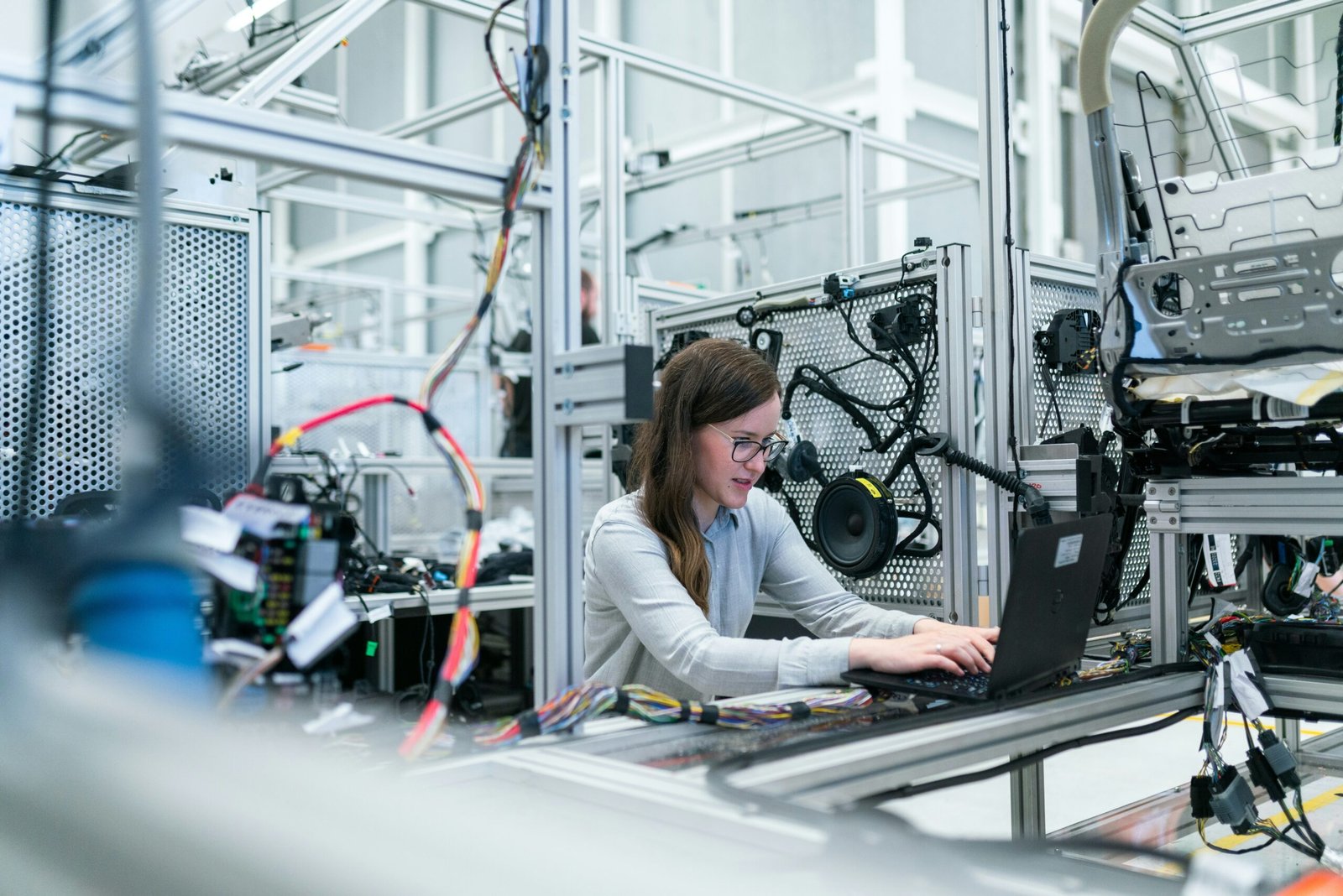
woman in white long sleeve shirt using black laptop computer

Artificial intelligence may appear to be driven primarily by software, but the real engine behind the AI revolution is hardware. As AI models become larger and more capable, the demand for computational power has exploded. This shift transformed advanced AI hardware into one of the most strategically important resources in the global economy. Many analysts … Read more

The Evolution of the Internet and Its Impact on Modern Technology

laptop computer on glass-top table

The Genesis of the Internet The origins of the internet can be traced back to the 1960s with the development of ARPANET, a project funded by the U.S. Department of Defense’s Advanced Research Projects Agency (ARPA). This network was designed to facilitate communication between various computer systems that were primarily used in research environments. The … Read more

Understanding Information & Communication Technology in the Digital Age

person using MacBook Pro

What is Information and Communications Technology? Information and Communications Technology (ICT) encompasses a broad range of technologies used to handle telecommunications, broadcast media, audio-visual processing, and information management. ICT integrates computing and communication technologies to facilitate the efficient transmission, processing, and storage of information. This convergence forms the backbone of modern communication systems and is … Read more

How Robotics Evolved in the Age of Artificial Intelligence

a white mannequin head wearing a baseball cap

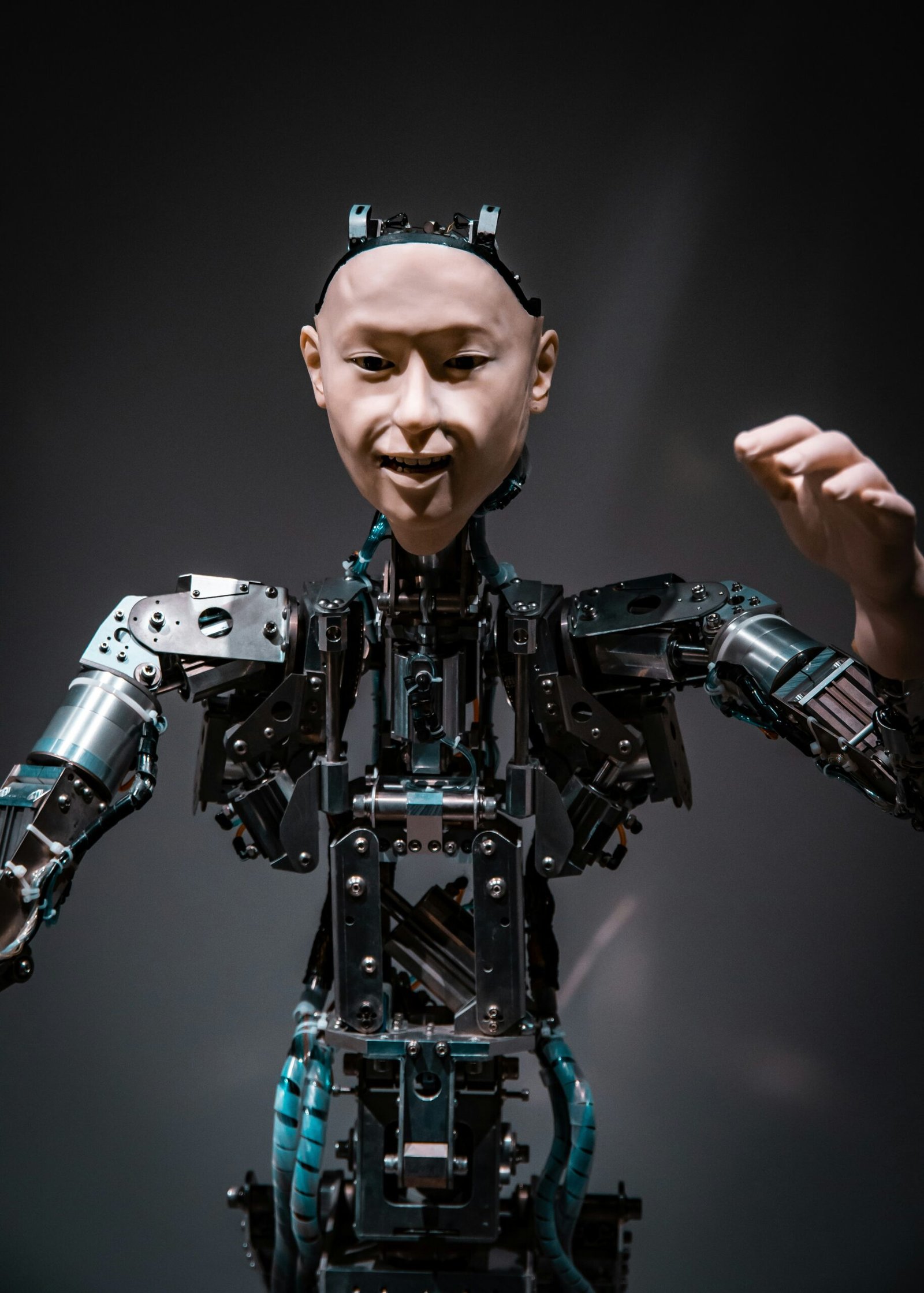
Robotics existed long before modern artificial intelligence. Industrial robots have been used in factories for decades, performing repetitive tasks with high precision. However, traditional robots were limited. They could repeat programmed actions, but they struggled to adapt to unpredictable environments. The rise of artificial intelligence changed robotics completely. Today, AI-powered robots are becoming more flexible, … Read more

The Future of Manufacturing Technology: Innovations Transforming Modern Industry

worm's eye-view photography of ceiling

Introduction to Manufacturing Technology Manufacturing technology refers to the tools, processes, and systems used in the production of goods and services. It plays a pivotal role in modern production environments, significantly impacting efficiency, quality, and responsiveness to market demands. The evolution of manufacturing techniques has transitioned from traditional craftsmanship to highly advanced technological methodologies, illustrating … Read more

Understanding Artificial Intelligence and Its Role in Modern Technology

man in black and gray suit action figure

What is Artificial Intelligence? Artificial Intelligence (AI) refers to the simulation of human intelligence processes by machines, specifically computer systems. These processes encompass learning, reasoning, problem-solving, perception, and language understanding. The primary objective of AI is to create systems that can perform tasks typically associated with human cognition, thereby enhancing and automating various functions across … Read more